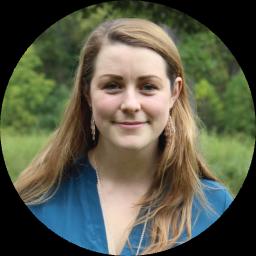
Christine Fleming, BACP
Christine Fleming is a counsellor who helps people manage stress, anxiety, depression and grief.
About Christine
Christine Fleming is a counsellor who helps people manage stress, anxiety, depression and grief. She supports those affected by trauma and abuse and people coping with big life changes and compassion fatigue. Christine uses a calm, straightforward approach to make it easier to talk about hard things.
She aims to create an open, non-judgemental space so clients can speak honestly about thoughts and feelings. Sessions are conversational and practical. Christine listens first, then works with each person to agree clear goals and small steps to try between meetings.
Background and approach
Her work draws on client-centred ideas that place the client’s experience at the heart of the process. She also uses cognitive behavioural techniques to identify unhelpful thinking patterns and DBT skills to manage intense emotions and build coping strategies. These methods are used in ways that suit each person rather than as fixed formulas.
Christine has four years of professional experience and holds registration with the British Association for Counselling and Psychotherapy, BACP. She is based in the United Kingdom and offers sessions in English. Christine accepts international clients and adapts her style to each person’s needs.
People come to her for help with practical problems such as panic attacks, obsessive thoughts, mood difficulties and communication problems. She also supports those affected by sexual assault, domestic violence, postpartum and pregnancy-related struggles, and long-term personality and mood disorders.
Details from the counsellor's public professional profile · registration number listed
← Browse all counsellorsRegistration
| Body | Registration number | Expires |
|---|---|---|
| BACP | 402187 | June 2026 |
Registration details are as listed on the counsellor's public profile. You can check any number with the registering body.
Sessions and payment
Sessions are held online through our partner platform, by video, phone or messaging depending on the counsellor.
Cost Costs are shown on the partner platform before you commit. If cost is a concern, ask about reduced-fee options.
Focus areas and approaches
Everything Christine lists on their public professional profile, in their own terms.
- Stress, Anxiety
- Grief
- Depression
- Trauma and abuse
- Coping with life changes
- Compassion fatigue
- Communication problems
- Domestic violence
- Mood disorders
- Obsessions, compulsions, and OCD
- Panic disorder and panic attacks
- Personality disorders
- Postpartum depression
- Post-traumatic stress
- Pregnancy and childbirth
- Self-harm
- Sexual assault and abuse
- Social anxiety and phobia
- Women's issues
Ways of working Christine names
Naming an approach is not evidence of training in it. This directory copies what each counsellor lists and does not check training records.
How therapeutic approaches translate to online counselling
Client-Centred Therapy focuses on the person and their experience. It means the counsellor listens closely, reflects what is said and helps people find their own solutions. This approach suits people who need acceptance, empathy and space to clarify their feelings.Cognitive Behavioural Therapy, or CBT, looks at the links between thoughts, feelings and actions. It helps identify thinking patterns that make problems worse and introduces practical experiments to test new ways of coping. CBT is often used for anxiety, depression, panic and obsessive thinking.
Dialectical Behaviour Therapy, DBT, teaches specific skills for regulating strong emotions, tolerating distress and improving interpersonal effectiveness. These skills can be useful for people who feel overwhelmed by intense moods or who engage in self-harm behaviours.
Finding the best approach is part of the work. The therapist will discuss what feels most relevant and will adapt methods to match each person’s goals and preferences. Decisions are made together so the plan fits the individual rather than following a rigid programme.
Online sessions make it easier to fit therapy into busy lives. Video calls allow face-to-face conversation when that is helpful. Phone sessions can be a lower-bandwidth option for a shorter check-in. Live chat and text-based messaging support ongoing reflection between appointments or suit people who prefer typing to speaking. These options give flexibility for different schedules, energy levels and practical needs.
Frequently asked
What kinds of problems can Christine help with?
She supports people facing stress, anxiety, grief, depression and trauma, plus issues such as panic, OCD symptoms, postpartum concerns and compassion fatigue.
What is her style in sessions?
Christine keeps sessions warm and straightforward. She listens without judgement and works with each person to set practical, achievable goals.
How long has she been practising?
She has four years of professional experience working with a range of emotional and mental health concerns.
What professional credential does she hold and where is she based?
Christine is registered with the British Association for Counselling and Psychotherapy, BACP, and is based in the United Kingdom.
Which languages are sessions offered in?
Sessions are offered in English.
Can international clients work with her?
Yes, she accepts international clients and adapts her approach to different personal and cultural needs.
What formats are available for sessions?
Sessions can be arranged as video calls, phone sessions, live chat or text-based messaging to suit different schedules and preferences.
How are costs and scheduling handled?
Cost varies with location and therapist availability and sessions use a subscription model that can be cancelled at any time. To begin, select Start Therapy, complete the short matching questionnaire and schedule according to availability.
More counsellors who work with Stress, Anxiety
See all
Joseph Shepherd
BACP
3 years in practice
Client-centred counsellor for life changes
- Stress, Anxiety
- Self esteem
- Career
Adelle Liggitt
BACP
3 years in practice
Calm, practical support for anxiety and grief
- Stress, Anxiety
- Relationship
- Grief

Mike Kelly
BACP
4 years in practice
Practical counsellor for everyday struggles
- Stress, Anxiety
- Relationship
- Grief