
Caroline Hobson, BACP
Caroline Hobson offers person-centred counselling that focuses on listening and helping people find their own solutions.
About Caroline
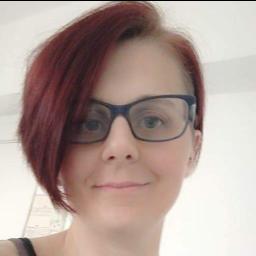
Caroline Hobson offers person-centred counselling that focuses on listening and helping people find their own solutions. She is listed with the British Association for Counselling and Psychotherapy (BACP) and aims to create a calm, non-judgemental space for people to talk about what matters to them. Caroline works in a warm and empathic way.
Sessions are aimed at helping people express difficult feelings and make sense of painful experiences. She often uses gentle, experiential techniques to draw attention to what is happening in the moment and what that means for each person.
Background and approach
Creativity can be part of the process when it feels useful. That might include emotion cards, creative writing, drawing, painting or collaging to help people explore thoughts and feelings differently. Any creative method is discussed first and only used with consent.
Her practice covers a wide range of concerns such as stress, anxiety, depression, addiction and trauma. She also works with relationship issues, grief, eating and body image concerns, parenting stress and questions about intimacy and self-esteem. Caroline has three years of counselling experience.
She describes her role as walking alongside people during hard times, helping them feel heard and valued while they work towards change.
Details from the counsellor's public professional profile · registration number listed
← Browse all counsellorsRegistration
| Body | Registration number | Expires |
|---|---|---|
| BACP | 388127 | February 2026 |
Registration details are as listed on the counsellor's public profile. You can check any number with the registering body.
Sessions and payment
Sessions are held online through our partner platform, by video, phone or messaging depending on the counsellor.
Cost Costs are shown on the partner platform before you commit. If cost is a concern, ask about reduced-fee options.
Focus areas and approaches
Everything Caroline lists on their public professional profile, in their own terms.
- Stress, Anxiety
- Addictions
- Relationship issues
- Trauma and abuse
- Depression
- Family conflicts
- Grief
- Intimacy-related issues
- Eating disorders
- Parenting issues
- Self esteem
- Coping with life changes
- Attachment issues
- Avoidant personality
- Body image
- Codependency
- Commitment issues
- Coping with natural or human-caused disaster
- Dissociation
- Divorce and separation
- Domestic violence
- Drug and alcohol addiction
- Eating and food-related issues
- Emptiness
- Family problems
- Guilt and shame
- Infidelity
- Isolation / loneliness
- Jealousy
- Obsessions, compulsions, and OCD
- Personality disorders
- Polyamory / non-monogamous relationships
- Post-traumatic stress
- Pregnancy and childbirth
- Self-harm
- Self-love
- Sex addiction
- Sexual assault and abuse
- Sexuality
- Social anxiety and phobia
- Women's issues
Ways of working Caroline names
Naming an approach is not evidence of training in it. This directory copies what each counsellor lists and does not check training records.
Person-centred care and flexible online sessions
Person-centred therapy places the person and their experience at the heart of the work. The counsellor listens without judgement and aims to understand each person's feelings and perspective. This approach helps with issues such as anxiety, depression, relationship worries, grief and difficulties with self-esteem.Caroline also uses experiential and creative methods when these feel useful. Simple exercises such as emotion cards, creative writing, drawing or collaging can help people access feelings that are hard to put into words. These activities are agreed together beforehand and used to deepen self-understanding rather than to diagnose or label.
Finding the right approach is part of the therapeutic journey. She works collaboratively with people to choose methods that fit their needs, goals and preferences. That means checking in regularly and adapting the way sessions are run as things change.
Online therapy offers practical flexibility. Video calls let people see non-verbal cues and hold a fuller conversation. Phone sessions work well when bandwidth is limited or when a shorter check-in is needed. Live chat and text-based messaging suit people who prefer typing or need to fit support around work or family commitments. These options make it easier to keep continuity of care and fit counselling into a busy life.
Frequently asked
What concerns does this counsellor help with?
She supports people with stress, anxiety, depression, addictions, trauma and abuse, relationship and family problems, grief, intimacy and self-esteem issues, eating and body image worries, parenting strain, and coping with life changes.
What is the therapist's approach and style?
The approach is person-centred therapy, which focuses on listening and valuing your experience. Sessions are collaborative and may include experiential or creative activities when helpful.
How much clinical experience does she have?
She has three years of counselling experience working with a range of issues including abuse, addiction, anxiety, depression, attachment and relationship concerns.
What credentials and region are listed?
She is a member of the British Association for Counselling and Psychotherapy, listed as BACP, and practises in the United Kingdom.
Which languages are available for sessions?
Sessions are offered in English.
Can people outside the UK use her services?
International clients are not currently accepted; sessions are provided to people located in the United Kingdom.
What session formats are offered online?
She offers video calls, phone sessions, live chat, and text-based messaging to suit different needs and schedules.
How do I start therapy with this counsellor?
Begin by selecting the Start Therapy button, complete a short matching questionnaire, and then schedule sessions according to the therapist's availability.
More counsellors who work with Stress, Anxiety
See all
Joseph Shepherd
BACP
3 years in practice
Client-centred counsellor for life changes
- Stress, Anxiety
- Self esteem
- Career
Adelle Liggitt
BACP
3 years in practice
Calm, practical support for anxiety and grief
- Stress, Anxiety
- Relationship
- Grief

Mike Kelly
BACP
4 years in practice
Practical counsellor for everyday struggles
- Stress, Anxiety
- Relationship
- Grief