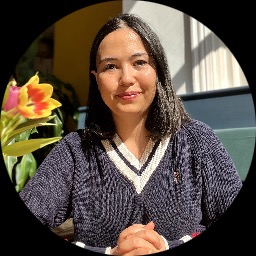
Pinar Cakir, BACP
Pinar Cakir offers a psychodynamic way of working that pays attention to how past relationships shape current feelings and reactions.
About Pinar
Pinar Cakir offers a psychodynamic way of working that pays attention to how past relationships shape current feelings and reactions. She uses that perspective to help people understand patterns that cause stress, anxiety or low mood. Pinar is based in the United Kingdom and holds BACP registration, which appears in her professional details.
Her practice focuses on common concerns such as depression, grief and family problems. She also supports people navigating LGBT and gender dysphoria issues, and a range of related challenges like codependency, domestic violence, fertility worries and hoarding.
Background and approach
Sessions are intended to be a space to talk through difficult feelings without judgment. Pinar blends psychodynamic work with approaches that emphasise a person's strengths and goals. She draws on client-centred ideas to follow what matters to each person, and solution-focused tools to set practical steps between sessions.
Acceptance and Commitment Therapy techniques are used when people want to build new ways of living with difficult thoughts and emotions. With five years of experience, Pinar aims to build a steady therapeutic relationship. She encourages open conversation about what is and is not helpful.
Therapy is collaborative and paced to the individual. Sessions can be delivered online in different formats. People who choose her work begin by completing a short matching questionnaire and then booking sessions that fit their schedule.
Details from the counsellor's public professional profile · registration number listed
← Browse all counsellorsRegistration
| Body | Registration number | Expires |
|---|---|---|
| BACP | 403942 | July 2026 |
Registration details are as listed on the counsellor's public profile. You can check any number with the registering body.
Sessions and payment
Sessions are held online through our partner platform, by video, phone or messaging depending on the counsellor.
Cost Costs are shown on the partner platform before you commit. If cost is a concern, ask about reduced-fee options.
Focus areas and approaches
Everything Pinar lists on their public professional profile, in their own terms.
- Stress, Anxiety
- LGBT
- Family conflicts
- Grief
- Depression
- Aging and geriatric issues
- Avoidant personality
- Blended family issues
- Codependency
- Dependent personality
- Domestic violence
- Emptiness
- Family of origin issues
- Family problems
- Fertility issues
- First responder issues
- Gender dysphoria
- Hearing impaired
- HIV / AIDS
- Hoarding
- Hospice and end-of-life counselling
- Immigration issues
- Infidelity
- Intellectual disability
- Jealousy
- Veteran and Armed Forces Issues
- Multicultural concerns
- Obsessions, compulsions, and OCD
- Paranoia
- Personality disorders
- Phobias
- Polyamory / non-monogamous relationships
- Postpartum depression
- Prejudice and discrimination
- Process addiction (porn, exercise, gambling)
- Seasonal Affective Disorder (SAD)
- Self-harm
- Sex addiction
- Sexual assault and abuse
- Sexual dysfunction
- Smoking / vaping cessation
- Somatization
- Visually impaired
- Young adult issues
Ways of working Pinar names
- Acceptance and Commitment Therapy (ACT)
- Client-Centred Therapy
- Emotionally-Focused Therapy (EFT)
- Psychodynamic Therapy
- Solution-Focused Therapy
- Trauma-Focused Therapy
Naming an approach is not evidence of training in it. This directory copies what each counsellor lists and does not check training records.
Therapeutic approaches adapted for online work
Pinar uses psychodynamic therapy to look at how earlier relationships affect today's feelings and reactions. This approach can help when patterns repeat, for example in relationships or in responses to grief and loss. She also draws on Acceptance and Commitment Therapy, which helps people notice difficult thoughts and still choose actions that match their values. ACT can be useful for anxiety, stress and low mood where someone wants practical ways to live differently.Finding the right approach is part of the work together. The therapist will talk with each person about their goals and preferences, and then suggest methods that fit. This is a collaborative process and adjustments can be made as therapy progresses.
Online sessions are offered as video calls, phone appointments, live chat or text-based messaging to suit different needs. Video helps keep visual contact and interpersonal nuance, while phone calls need less bandwidth and can fit a short break at work. Messaging or chat can offer a flexible way to check in between sessions. These options make it easier to access therapy from different locations and to choose a format that fits daily life.
Frequently asked
What issues does she help with?
She works with stress, anxiety, depression, grief and family problems, and also supports people with LGBT and gender dysphoria concerns.
What is her therapeutic style?
Her main orientation is psychodynamic, focusing on how past relationships shape present feelings, combined with client-centred and solution-focused ways of working.
How much clinical experience does she have?
She has five years of experience working with people on matters such as depression, loss and family conflict.
Where is she based and what credential does she hold?
She is based in the United Kingdom and lists BACP among her professional credentials.
Can I have sessions in English or from another country?
Sessions are offered in English and she accepts clients internationally.
Which session formats are available?
Work with her can happen via video calls, phone sessions, live chat or text-based messaging.
How are costs handled?
Cost varies with location and therapist availability; sessions use a subscription model that can be cancelled at any time.
What are the first steps to begin?
Start by selecting the Start Therapy button, complete a short matching questionnaire, and then schedule sessions according to the therapist's availability.
More counsellors who work with Stress, Anxiety
See all
Joseph Shepherd
BACP
3 years in practice
Client-centred counsellor for life changes
- Stress, Anxiety
- Self esteem
- Career

Adelle Liggitt
BACP
3 years in practice
Calm, practical support for anxiety and grief
- Stress, Anxiety
- Relationship
- Grief

Mike Kelly
BACP
4 years in practice
Practical counsellor for everyday struggles
- Stress, Anxiety
- Relationship
- Grief