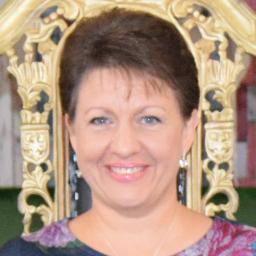
Jurgita Dobiliene, BACP, NCPS
Jurgita Dobiliene is a counsellor who uses client-centred work alongside mindfulness and trauma-focused methods.
About Jurgita
Jurgita Dobiliene is a counsellor who uses client-centred work alongside mindfulness and trauma-focused methods. She brings ten years of experience and a background in healthcare to sessions. People come to her with worry, grief, low mood, stress and relationship strain.
She offers practical ways to manage emotions and day-to-day pressures. Her approach begins by listening closely to what feels most urgent. Sessions are collaborative and paced to suit the person.
Background and approach
She uses client-centred techniques to help people feel heard and to build trust. For trauma and distress, she draws on Eye Movement Desensitisation and Reprocessing, using structured steps to reduce the intensity of painful memories. Mindfulness practices are introduced to help with sleep, physical tension and overthinking.
Jurgita also uses Emotionally-Focused Therapy to look at relationship patterns and the feelings that drive them. She supports people facing illness, chronic pain, caregiver stress, bereavement and the emotional strain of life transitions. Her earlier work as an oncology nurse inspired the move into counselling and shaped her interest in caring for people dealing with serious health issues.
She holds credentials with BACP and NCPS, and works with English-speaking clients in the United Kingdom.
Details from the counsellor's public professional profile · registration number listed
← Browse all counsellorsRegistration
| Body | Registration number | Expires |
|---|---|---|
| BACP | 380638 | February 2027 |
| NCPS | JD00P08 | April 2026 |
Registration details are as listed on the counsellor's public profile. You can check any number with the registering body.
Sessions and payment
Sessions are held online through our partner platform, by video, phone or messaging depending on the counsellor.
Cost Costs are shown on the partner platform before you commit. If cost is a concern, ask about reduced-fee options.
Focus areas and approaches
Everything Jurgita lists on their public professional profile, in their own terms.
- Stress, Anxiety
- Grief
- Depression
- Relationship issues
- Trauma and abuse
- Parenting issues
- Anger management
- Self esteem
- Career difficulties
- Coping with life changes
- Compassion fatigue
- ADHD
- Cancer
- Caregiver issues and stress
- Chronic pain, illness, and disability
- Family problems
- Hospice and end-of-life counselling
- Midlife crisis
- Phobias
Ways of working Jurgita names
- Client-Centred Therapy
- Emotionally-Focused Therapy (EFT)
- Eye Movement Desensitization and Reprocessing (EMDR)
- Mindfulness Therapy
Naming an approach is not evidence of training in it. This directory copies what each counsellor lists and does not check training records.
How chosen approaches work in online therapy
Client-Centred Therapy focuses on creating a space where the person feels heard and understood. The therapist reflects back what is said, helps identify priorities and supports people to find their own solutions to stress, low mood and relationship worries.Eye Movement Desensitisation and Reprocessing (EMDR) is used for distressing memories and trauma symptoms. In online sessions this involves guided bilateral stimulation alongside careful preparation and pacing to reduce the emotional charge of painful events.
Mindfulness Therapy introduces simple, practical exercises to calm the body and mind. These techniques can help with sleep problems, physical tension and persistent worry by teaching short practices to use during the day.
Deciding which method to use is a shared process. The therapist will discuss options, try approaches that fit the person’s goals, and adjust the plan as progress is made. This collaborative stance helps people feel involved in the choices about their care.
Online formats offer flexibility and easier access to regular work. Video calls allow face-to-face exchange and visual cues, phone sessions need less bandwidth, live chat can suit brief check-ins, and text messaging is useful for quick reflections between sessions. These options make it easier to fit therapy around work, family life and health needs while keeping the focus on practical progress and emotional relief.
Frequently asked
What concerns does she help with?
She supports people with stress, anxiety, grief, depression, relationship issues, trauma and abuse, parenting worries, anger, low self-esteem, career stress, coping with life changes, compassion fatigue and ADHD. Additional focus areas include cancer, caregiving stress, chronic illness and hospice or end-of-life concerns.
How would you describe her therapy style?
Her style is collaborative and person-centred, with practical mindfulness exercises and trauma-focused interventions when needed. Sessions aim to be gentle and goal-oriented while following the client’s pace.
What background and experience does she bring?
She has ten years of experience and a background in healthcare, including work as an oncology nurse, which informed her move into counselling and interest in health-related emotional support.
Where is she based and what credentials does she hold?
She practises in the United Kingdom and lists BACP and NCPS among her credentials as provided in her profile.
Can sessions be conducted in other languages?
Sessions are offered in English.
What session formats are available?
She offers video calls, phone sessions, live chat and text-based messaging to suit different needs and schedules.
How does payment work and what do sessions cost?
Cost varies with location and therapist availability; sessions are provided through a subscription model that can be cancelled at any time.
How do I begin if I want to work with her?
Start by selecting the Start Therapy button, completing a short matching questionnaire and then scheduling sessions according to the therapist’s availability.
More counsellors who work with Stress, Anxiety
See all
Joseph Shepherd
BACP
3 years in practice
Client-centred counsellor for life changes
- Stress, Anxiety
- Self esteem
- Career

Adelle Liggitt
BACP
3 years in practice
Calm, practical support for anxiety and grief
- Stress, Anxiety
- Relationship
- Grief

Mike Kelly
BACP
4 years in practice
Practical counsellor for everyday struggles
- Stress, Anxiety
- Relationship
- Grief